Online Creator Economy: Why Digital Content Creators Are Dominating Modern Media
The rapid growth of the online creator economy has changed the way people build careers, consume entertainment, and interact with brands. In 2026, digital creators are no longer just influencers posting content online — many have become full-scale entrepreneurs managing communities, businesses, and personal media brands.
Platforms such as YouTube, TikTok, Instagram, Twitch, and Patreon have opened massive opportunities for creators to monetize their audiences directly. What started as simple social media content has evolved into a global digital economy worth billions of dollars.
Today, creators influence purchasing decisions, entertainment trends, gaming culture, and even mainstream media strategies. As internet culture continues evolving, the creator economy remains one of the most powerful forces shaping online business and digital lifestyles.
How the Creator Economy Started
The foundation of the creator economy began with blogging and early YouTube creators during the late 2000s. At first, content creation was mostly considered a hobby rather than a serious career path.
However, several developments changed everything:
- Faster internet speeds
- Smartphone accessibility
- Growth of social media platforms
- Video-first algorithms
- Online advertising systems
These changes allowed creators to reach global audiences without traditional media companies.
Over time, audiences began trusting independent creators more than large corporations because creators felt more authentic and relatable.
For more discussions about digital trends and internet culture, visit
Sofaspud
Why Audiences Prefer Independent Creators
One major reason behind the success of the online creator economy is authenticity. Modern internet users often connect more with individual creators than with polished corporate advertising.
Personal Connection
Creators share real experiences, opinions, and behind-the-scenes moments that feel genuine.
Niche Communities
Online creators can focus on highly specific interests such as:
- Gaming
- Technology
- Fashion
- Finance
- Fitness
- Entertainment
- AI tools
This allows audiences to find communities that match their interests perfectly.
Faster Trend Adaptation
Independent creators can react to trends immediately without needing corporate approval or long production schedules.
Because of this flexibility, creators often become trendsetters before major media companies even notice emerging internet culture.
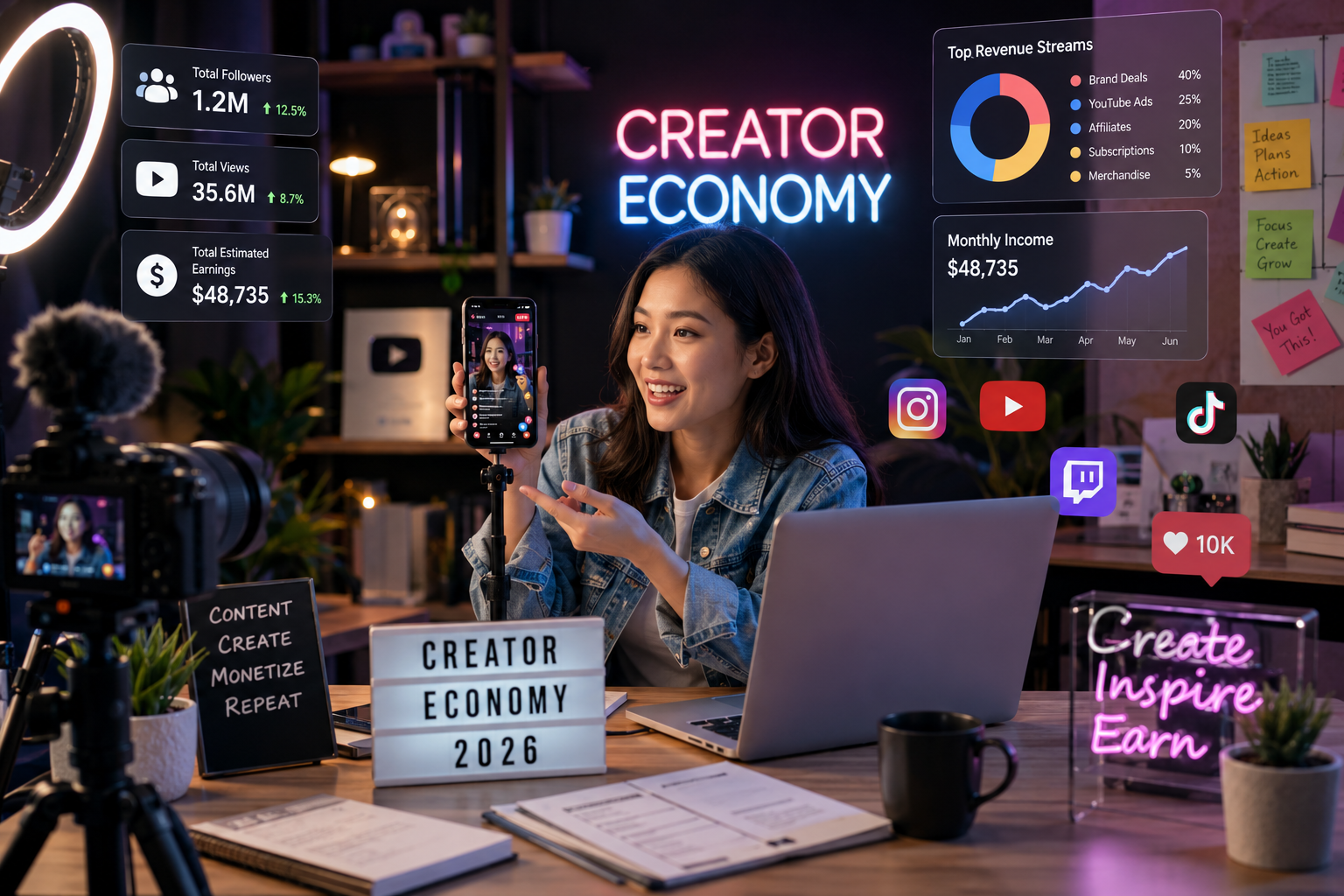
Monetization Has Expanded Beyond Advertising
In the past, most creators relied heavily on advertising revenue. Today, monetization opportunities are far more diverse.
Modern creators now earn income through:
- Brand sponsorships
- Membership subscriptions
- Merchandise sales
- Affiliate marketing
- Paid communities
- Digital products
- Live streaming donations
This shift allows creators to build more stable businesses independently.
According to Forbes, brands increasingly allocate marketing budgets toward influencer partnerships because audiences engage more actively with creator-driven campaigns.
Short-Form Video Changed Everything
Short-form video platforms completely transformed digital entertainment.
Apps like TikTok, Instagram Reels, and YouTube Shorts encourage:
- Fast engagement
- Viral sharing
- High content volume
- Algorithm-driven discovery
Creators can now gain millions of followers rapidly through a single viral video.
This content format also changed audience behavior. Modern viewers prefer quick entertainment that delivers information or emotion instantly.
As a result, creators now focus heavily on:
Visual Storytelling
Strong visuals help content stand out in crowded feeds.
Hook-Based Content
The first few seconds determine whether viewers continue watching.
Trend Participation
Using trending sounds, memes, and formats increases discoverability.
The internet now moves at incredible speed, and creators who adapt quickly often achieve the most success.
AI Tools Are Reshaping Content Creation
Artificial intelligence is becoming a major part of the online creator economy.
Creators use AI tools for:
- Video editing
- Image generation
- Script assistance
- Caption writing
- Voiceovers
- Thumbnail design
These technologies save time and improve production quality.
However, successful creators still rely heavily on human creativity, storytelling, and personality. Audiences continue valuing authenticity even in an AI-powered content environment.
AI tools are best viewed as creative assistants rather than replacements for human creators.
Explore more digital lifestyle topics at
Sofaspud Lifestyle
The Business Side of Being a Creator
Many people underestimate how much business management goes into modern content creation.
Successful creators often manage:
- Brand partnerships
- Audience analytics
- Content schedules
- Community engagement
- Financial planning
- Team coordination
Large creators may even operate like small media companies with editors, designers, managers, and marketing teams.
This professionalization of content creation shows how far the industry has evolved over the past decade.
Research from Statista indicates that global influencer marketing spending continues growing every year as businesses increasingly invest in creator partnerships.
Challenges Inside the Creator Economy
Despite its growth, the online creator economy also comes with challenges.
Burnout
Constant content production can become mentally exhausting.
Platform Dependency
Creators often depend heavily on algorithms controlled by large platforms.
Competition
Millions of creators compete for audience attention daily.
Income Instability
Revenue can fluctuate significantly depending on trends and platform changes.
Because of these risks, many creators diversify their income sources and build audiences across multiple platforms.
The Future of Digital Creators
The future of the creator economy looks incredibly strong. As technology evolves, creators will likely become even more influential in entertainment, education, and marketing.
Future trends may include:
- AI-powered virtual influencers
- Interactive livestream experiences
- Virtual reality content
- Personalized audience communities
- Decentralized creator platforms
Creators who combine authenticity, adaptability, and creativity will continue leading digital culture in the years ahead.
Conclusion
The online creator economy has transformed modern media by giving individuals the power to build audiences, businesses, and global communities independently.
From short-form videos to AI-assisted production, creators now influence nearly every part of internet culture and digital entertainment. As audiences continue searching for authentic experiences online, independent creators will remain at the center of the evolving digital world.
For more insights into internet culture, digital creativity, and modern online trends, visit Sofaspud.org.